
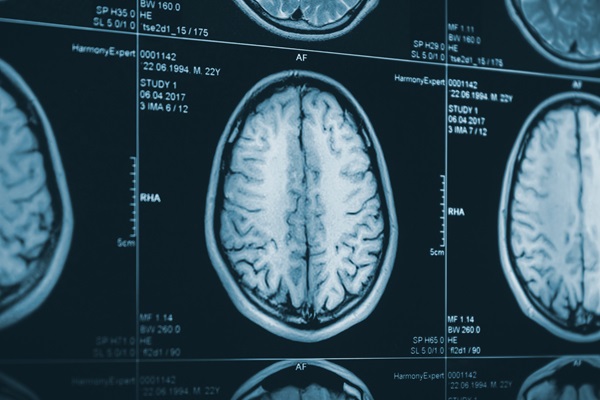
How Truck Accident Forces Lead To Life-Changing Head Trauma
A violent truck crash doesn’t just happen. It hits like a wave of force that the human body was never built to withstand. One second you’re driving, the next your head snaps forward, twists, or strikes a hard surface as thousands of pounds of momentum transfer into a much smaller passenger vehicle. That moment can change everything.
At Fried Goldberg LLC, our truck accident lawyers have seen how these crashes leave more than visible damage in their wake. A serious truck accident can lead to traumatic brain injuries that affect memory, behavior, speech, and independence. Whether we’re representing injured victims or working alongside plaintiff’s attorneys across the country, these cases demand a deep understanding of how brain injuries occur and why they’re so often severe in commercial vehicle collisions.
March is Brain Injury Awareness Month, which makes it an important time to recognize just how common and devastating these injuries can be after truck accidents, and why they require careful legal and medical attention from day one.
Why Do Truck Accidents Cause More Severe Brain Injuries Than Car Crashes?
Not all crashes are created equal. When a fully loaded tractor-trailer collides with a passenger vehicle, the physics alone create a different category of injury.
Several factors make brain injuries more likely and more severe in truck accidents:
- High Impact Forces: A commercial truck can weigh up to 80,000 pounds. When that mass is in motion, even a “moderate” collision can produce extreme force on the human brain.
- Height and Underride Risks: In some crashes, smaller vehicles slide under the trailer. This exposes occupants to direct head trauma and crushing forces.
- Abrupt Deceleration: The brain continues moving inside the skull even after the body stops. That internal motion can stretch and tear delicate brain tissue.
- Secondary Impacts: Victims may strike the steering wheel, window, or side panel, creating multiple points of trauma in a single event.
These forces don’t just increase the chance of injury. They increase the likelihood that the injury will be severe, permanent, and life-altering.
What Happens Inside The Brain During A Truck Collision?
A traumatic brain injury is often invisible in the moment. There may be no bleeding you can see, no obvious fracture, yet the damage is already underway.
When the head is subjected to sudden acceleration or rotation, the brain shifts within the skull. That movement can disrupt neural pathways, damage axons, and interfere with how different parts of the brain communicate.
In many truck accident cases, we see injuries such as:
- Concussions: Even a so-called “mild” concussion can lead to lingering symptoms like headaches, dizziness, and cognitive difficulty.
- Diffuse Axonal Injury: Rapid rotation of the head can tear nerve fibers, leading to widespread brain dysfunction.
- Contusions: Bruising on the brain caused by direct impact, often occurring at multiple points.
- Penetrating Injuries: In severe crashes, debris or structural intrusion can cause direct trauma to brain tissue.
The medical reality is this: the brain doesn’t respond well to trauma, and recovery is often uncertain.
Symptoms That Don’t Always Show Up Right Away
One of the most dangerous aspects of a brain injury is how quietly it can develop.
After a truck accident, many victims feel disoriented or shaken but assume they’ll recover with rest. Hours or even days later, symptoms begin to surface.
Common delayed symptoms include:
- Memory problems or confusion
- Difficulty concentrating or following conversations
- Sensitivity to light or noise
- Mood swings or irritability
- Persistent headaches or nausea
- Sleep disturbances
For example, someone involved in a rear-end truck collision on a highway may walk away thinking they’re fine, only to realize days later that they can’t focus at work or remember basic tasks. By that point, the injury has already begun affecting daily life.
This delay is one of the reasons early medical evaluation is so important, both for health and for documenting the injury in a legal claim.
Why Brain Injury Cases Require A Different Legal Approach
Brain injury claims aren’t straightforward. They often involve symptoms that evolve over time, medical evidence that requires interpretation, and long-term consequences that aren’t immediately clear.
At Fried Goldberg LLC, our truck accident lawyers approach these cases with a focus on both the medical and legal realities involved. That includes:
- Working with neurologists and life care planners to understand the full impact of the injury
- Analyzing crash dynamics to explain how the forces caused brain trauma
- Identifying all responsible parties, including motor carriers and maintenance providers
- Building a case that reflects not just current losses, but future care needs
We also work closely with plaintiff’s attorneys nationwide who rely on our experience in trucking litigation. These cases often involve federal regulations, industry standards, and technical defenses that require a focused approach to uncover the full story.
Because when a brain injury is involved, the stakes are higher. The outcome of the case can shape the rest of a person’s life.
The Long-Term Impact Most People Don’t See
A brain injury doesn’t end when the hospital stay is over. In many cases, it marks the beginning of a long and uncertain road.
Victims may struggle with:
- Returning to work in the same capacity
- Maintaining relationships due to personality changes
- Managing everyday tasks that once felt routine
- Ongoing medical treatment and therapy
What makes these injuries especially difficult is that they often affect how a person thinks, feels, and interacts with the world. It’s not just physical recovery. It’s a fundamental shift in how life is experienced.
That’s why these cases require more than surface-level evaluation. They require a full understanding of how the injury changes a person’s future.
Building A Case That Reflects The Full Impact Of A Brain Injury
In truck accident litigation, proving a brain injury isn’t just about showing that it happened. It’s about showing what it means.
That includes connecting the crash to the injury through evidence, medical testimony, and reconstruction. It also means demonstrating how the injury affects the victim’s ability to work, live independently, and maintain quality of life.
For instance, imagine this scenario. A client who once managed a business may no longer be able to handle complex decisions or multitasking. That loss isn’t always visible, but it carries real financial and personal consequences that must be accounted for in a claim.
These are the details that often make the difference between a case that settles quickly and one that fully reflects the harm that was done.
Why Brain Injury Awareness Month Matters
Brain Injury Awareness Month is a reminder that these injuries are more common than many people realize, especially in high-impact crashes involving commercial vehicles.
According to national safety data from organizations like the CDC and NHTSA, traumatic brain injuries remain a major cause of death and disability in crash-related incidents. When those crashes involve large trucks, the risk increases significantly due to the forces involved.
Raising awareness isn’t just about prevention. It’s about recognition. The sooner a brain injury is identified, the better the chance of managing its long-term effects and building a case that reflects the full scope of harm.
Talk With A Truck Accident Lawyer Who Understands Brain Injury Cases
After a truck accident, it’s easy to focus on what’s visible. The damage to the vehicle. The immediate injuries. But brain injuries don’t always show themselves right away, and when they do, the impact can be profound.
At Fried Goldberg LLC, we represent truck accident victims nationwide and work with plaintiff’s attorneys to build strong, evidence-driven cases involving serious injuries like traumatic brain trauma. If you or someone you care about is dealing with the aftermath of a truck accident, give us a call or contact us online to talk through your situation and understand your options.
"Adam P. Smith was nothing short of amazing! He communicated with me every step of the way so that I was aware of my options as well as what to expect throughout the process. I'm truly grateful for his help after such a horrible accident." - Sunni G., ⭐⭐⭐⭐⭐